
Nebraska Has No Public Warrant-Only System
Nebraska runs a statewide court-case portal, but it offers no public warrant-only search. JUSTICE, the platform behind it, manages cases and internal warrant operations for the courts. What the public sees there is case information. A live list of every active warrant is not part of it. NCJIS and NCIC exist for authorized criminal-justice users, and no consumer form reaches them.
Key point: Nebraska provides public statewide case search, not statewide warrant clearance. Current status must be confirmed with the issuing court and serving agency.
That gap matters when a Nebraska search comes back empty. A warrant can be local, brand new, sealed, or simply missing from a public roster. A case result helps you find the court, but it cannot certify that a warrant is active, recalled, or absent. For a state-level view of how Nebraska warrant information is handled, start with the systems below. For one specific case, open the Browse Counties directory and contact the issuing court and the sheriff directly.
How Nebraska Warrants Are Tracked
Every Nebraska warrant starts with a court and an underlying case. County Court handles most traffic, misdemeanor, and municipal-ordinance matters, and it conducts felony preliminary hearings. After bindover, felony matters move to Nebraska District Court. The court logs its case events in the trial-court system and directs a sheriff or another named officer to serve process. Current status of the order stays with the issuing court. People often treat three information layers as one Nebraska warrant database, and they are not. JUSTICE is the statewide trial-court case platform. NCJIS and NCIC are restricted criminal-justice systems. The DMV does record certain traffic-citation compliance suspensions, but those are license matters rather than warrants. None of them hands the public a complete active-warrant search. Service and resolution happen locally. A Nebraska sheriff may hold process for service, while a court clerk can confirm the docket and the judicial order. Those two offices answer different questions, so verify current status with both when it matters.
Nebraska State Patrol Records Aren't Warrant Status
The Nebraska State Patrol serves as the state's law-enforcement agency. Its Criminal Identification Division offers the public a criminal-history record check. That service is not a live query of unserved court warrants. The Patrol helps partner agencies when asked, yet it publishes no state public warrant list and no rule makes every county send its warrants into one pool. Use the division's page for what it actually covers: record services and a contact route. Treat it as a way to check criminal history, not as a promise that a search will confirm a pending warrant. Review the Nebraska State Patrol Criminal Identification Division for its stated public services.
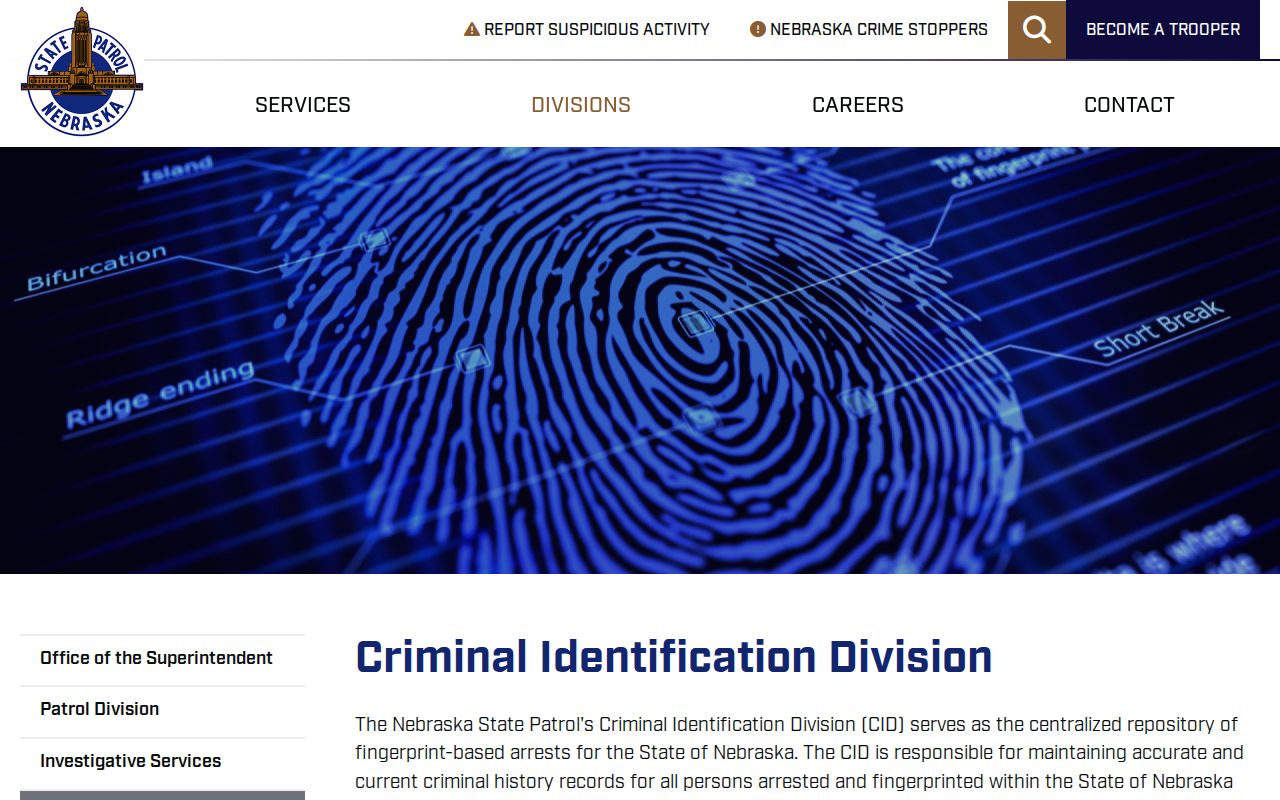
So treat that agency page as a criminal-history resource. Questions about a Nebraska case or a specific warrant still belong with the court and the law-enforcement office holding that order. The Patrol's official homepage gives agency context, though it posts no statewide warrant roster.
No statewide agency role replaces the court and sheriff when you need case-specific confirmation of a Nebraska warrant.
Nebraska State Patrol Criminal Identification Division
Public criminal-history service; not a live warrant search or warrant-clearance certificate.
The Nebraska Warrant Database
Nebraska's court system, agency systems, and license process each serve different users and keep different records. The public JUSTICE case search covers County Court and District Court case information. It carries no public warrant-status field and no complete warrant feed. Secure agency systems stay closed to public name searches.
| System | What It Holds | Run By |
|---|---|---|
| JUSTICE | Public trial-court case information; internal court operations include warrant and protection-order functions. | Nebraska Judicial Branch |
| NCJIS | Secure criminal-justice information for agencies; warrant coverage and refresh details are not public. | Nebraska Crime Commission |
| NCIC | National law-enforcement information used by authorized criminal-justice agencies. | Federal Bureau of Investigation |
| DMV compliance | Traffic-citation suspension and court compliance, separate from warrant status. | Nebraska Department of Motor Vehicles |
JUSTICE is the right tool for locating a Nebraska court case and reading public docket events. NCJIS and NCIC expose no all-county warrant result to the public, and the DMV's compliance process says nothing about whether a warrant exists. Know which record you need before you call an agency.
NCJIS Gives Nebraska Agencies Secure Access
Nebraska agencies reach criminal-justice records through NCJIS, a secure web portal run by the Nebraska Crime Commission. Its Systems and Research Division handles the technology, the statistics, and the integration work that keeps those systems talking to each other. The public side stops there. The Commission publishes no roster of participating agencies, no list of warrant types the system covers, and no refresh schedule for its records. That is by design. NCJIS exists for coordination and secure access by law enforcement, not for public warrant lookup. A visitor cannot use the agency's website to confirm that every Nebraska county has entered a given warrant. Read the Nebraska Crime Commission's Systems and Research Division description for the official NCJIS context.
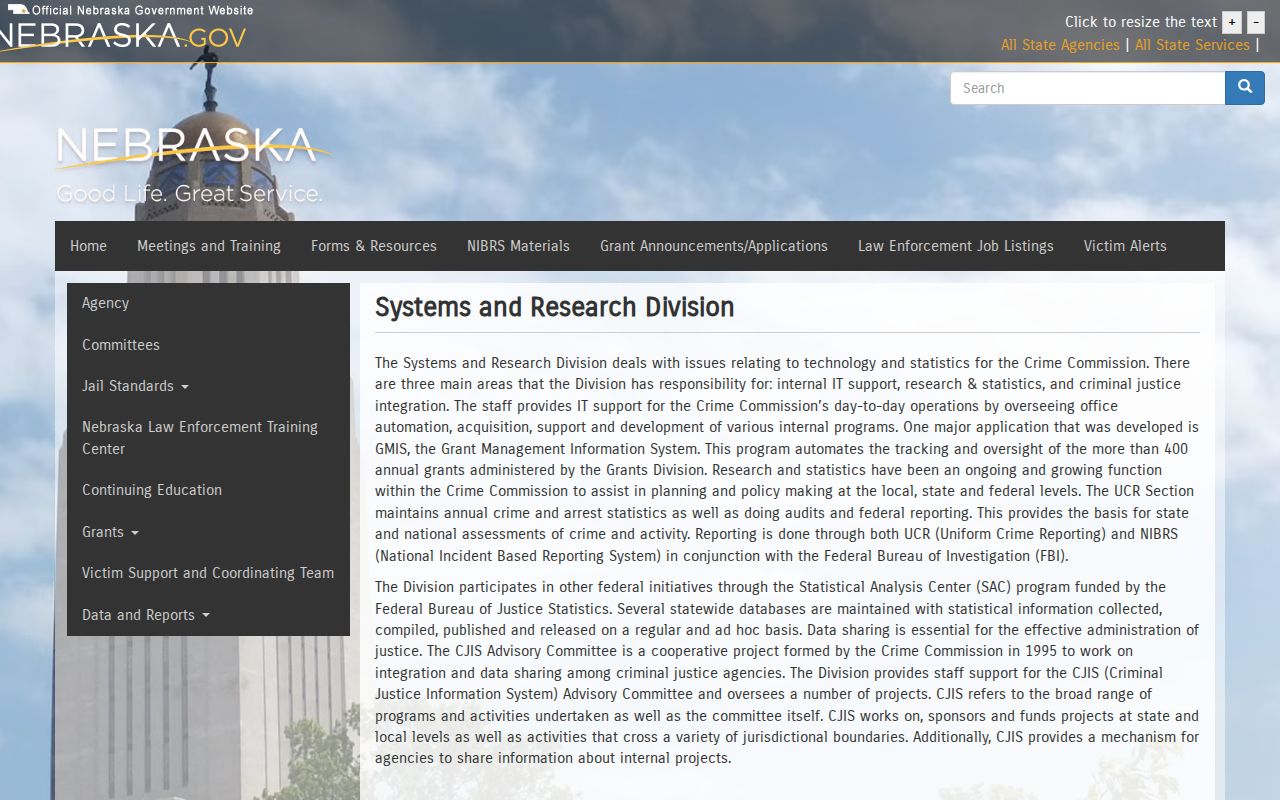
Nebraska agencies use NCJIS for secure justice information sharing. The system is governance and integration, not a public warrant search.
From County Warrant to Statewide Index
Nebraska law directs an arrest warrant to the county sheriff, or to the marshal or police officer of a city or village. An officer named by the issuing magistrate can execute it anywhere in the state. That rule settles who may serve the paper. It says nothing about public web postings. Nor does it promise that a warrant ever landed in a state or national database. So the picture is limited, not a guaranteed electronic pipeline for Nebraska warrant records.
Warrant flow: Court issues and records an order → sheriff or named officer receives process for service → authorized law-enforcement sharing may occur under restricted-system rules.
JUSTICE is the Nebraska court system's own platform, and it supports internal warrant and protection-order operations. What it does not show is the path each order travels. No public source maps the handoff from judge to sheriff to NCJIS or NCIC, names the warrant types covered, or promises a time to entry. That case coverage is no complete warrant index. Call the clerk or the serving agency for status.
What Nebraska's Public Coverage Does Not Show
JUSTICE's public description reaches court cases in all 93 counties. Nebraska publishes no county-by-county NCJIS or NCIC participation map. No statewide upload rule, status schema, or active-warrant total exists either. And Nebraska State Patrol runs no public warrant-only search. So a blank Nebraska result proves nothing. That is the core limit. Case data can lag after a hearing. A sheriff's page may list only that office's own warrants. Sealed search-warrant material and juvenile records sit behind separate access rules, and federal process runs through a different court and agency entirely. For a real answer on a Nebraska case, pin down the county and the case number if you can. Ask the clerk which order controls. Ask the sheriff or the named officer about service and return. Need a copy? Request an existing document from the proper custodian under the Nebraska Public Records Act, subject to its legal exceptions.
Federal Fugitive Warrants in Nebraska
Nebraska is one federal judicial district. Court operations sit in Omaha and Lincoln. Federal arrest warrants grow out of that court process, and the U.S. Marshals Service serves as the primary executing agency. Public federal case tools may show a complaint or a docket entry. But warrant applications can be sealed. A docket is no live warrant-status service. The USMS District of Nebraska describes its Metro Area Fugitive Task Force and the state and local agencies that partner in the work. Those federal fugitive warrants flow into no single public Nebraska county feed. With a federal case, use the District Court or Marshals contact route. Get legal advice about appearance or surrender.
U.S. Marshals Service, District of Nebraska
Official federal district page for court footprint, fugitive coordination, office contact, and the 24-hour tip line.
A Nebraska state or county warrant is different. Go back to the issuing state court and the local serving agency instead of treating a federal search result as a substitute.
Nebraska Fugitive Partners Share Enforcement Work
The Metro Area Fugitive Task Force lists the U.S. Marshals Service, Nebraska State Patrol, the Douglas and Sarpy County sheriffs, Omaha Police, and Council Bluffs Police as partners. Council Bluffs sits just across the Iowa border. Its presence reflects regional coordination. The partnership is not a statewide list. Nor does it mean every Nebraska county warrant gets a task-force assignment. The public district page posts a general USMS office line and a separate 24-hour tip line. A tip line sends information to law enforcement. It cannot provide an official case record. It cannot recall a court order either. What the task-force page may display is selected federal fugitive information, curated rather than comprehensive. For a Nebraska county case, use the Browse Counties directory to reach the court and sheriff. For federal process, use the District of Nebraska and the USMS channels named on their official pages.
Statewide Index vs Nebraska County Warrants
A Nebraska court-system search can span every county. Still, each warrant is an order in its own issuing case. The sheriff or named agency handles service, while the court controls recall and the case record. A local list covers only what that office publishes, so neither public view is universal.
| Question | Statewide Case or Agency System | Issuing County Court and Sheriff |
|---|---|---|
| Public role | JUSTICE locates case information; NCJIS/NCIC are agency access. | Confirm the court order, service, return, bond, and next step. |
| Coverage | Case-system scope is broad; warrant coverage is not certified publicly. | Specific case and serving agency for that jurisdiction. |
| Current status | No public Nebraska warrant-only status search located. | Ask the issuing clerk and sheriff directly. |
| Resolution | Cannot issue a judicial recall or clear a local order. | The issuing judge controls recall; service records rest with officers. |
Know the county? Ask its trial court which clerk keeps the file. The directory links every Nebraska county site, so local details need no guessing.
Nebraska's 1972 Court Consolidation
Nebraska reshaped its courts in 1972. That statewide reorganization built the modern county court structure and folded in work once handled by justice-of-the-peace and police-magistrate courts. Older paperwork often says "municipal court" on city ordinance and traffic matters. Today those cases generally route through county court instead. Municipal-court employees moved into the county court system effective July 1, 1985. This history is why an old city file or website may carry a legacy label while the current clerk and docket sit elsewhere. Ask for the present court and case number rather than trusting an outdated heading. The Nebraska Judicial Branch court history timeline walks through the consolidation milestones. Those changes explain how a Nebraska case gets routed. They do not describe any statewide warrant database.
How Nebraska Warrant Systems Went Digital
Nebraska built its justice technology in stages, and the dates tell a story of agency plumbing rather than public warrant lists. The CJIS Advisory Committee came first, formed in 1995 to sort out information sharing and standards. Then a Crime Commission report notes the NCJIS web server going live in April 2000. Neither date marks any public warrant index opening its doors. Public court access grew anyway. The Judicial Branch announced in 2024 that document images filed after April 2008 could be pulled through one-time case search. Sealed and confidential records stayed restricted. What never arrived was a public active-warrant filter, so a Nebraska warrant search still runs through courts and sheriffs rather than a state portal. Fees shifted too, effective Jan. 1, 2026. A one-time party-name search now costs $17, and subscriber case detail runs $2. Those charges buy case information, not warrants or any process-clearing fee. See the Judicial Branch fee-change notice for the published details.
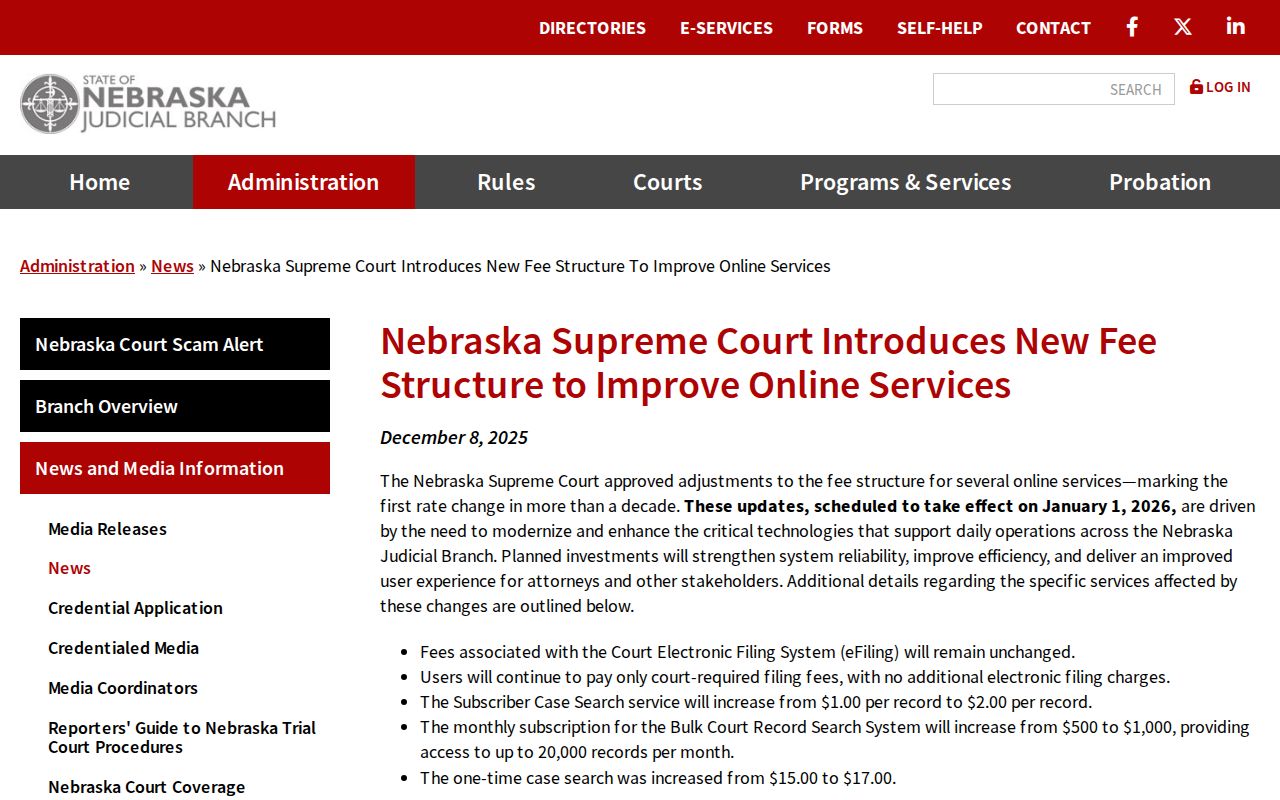
The notice covers online court fees only, not the launch of any Nebraska warrant-search service.
Nebraska Records Requests Need a Custodian
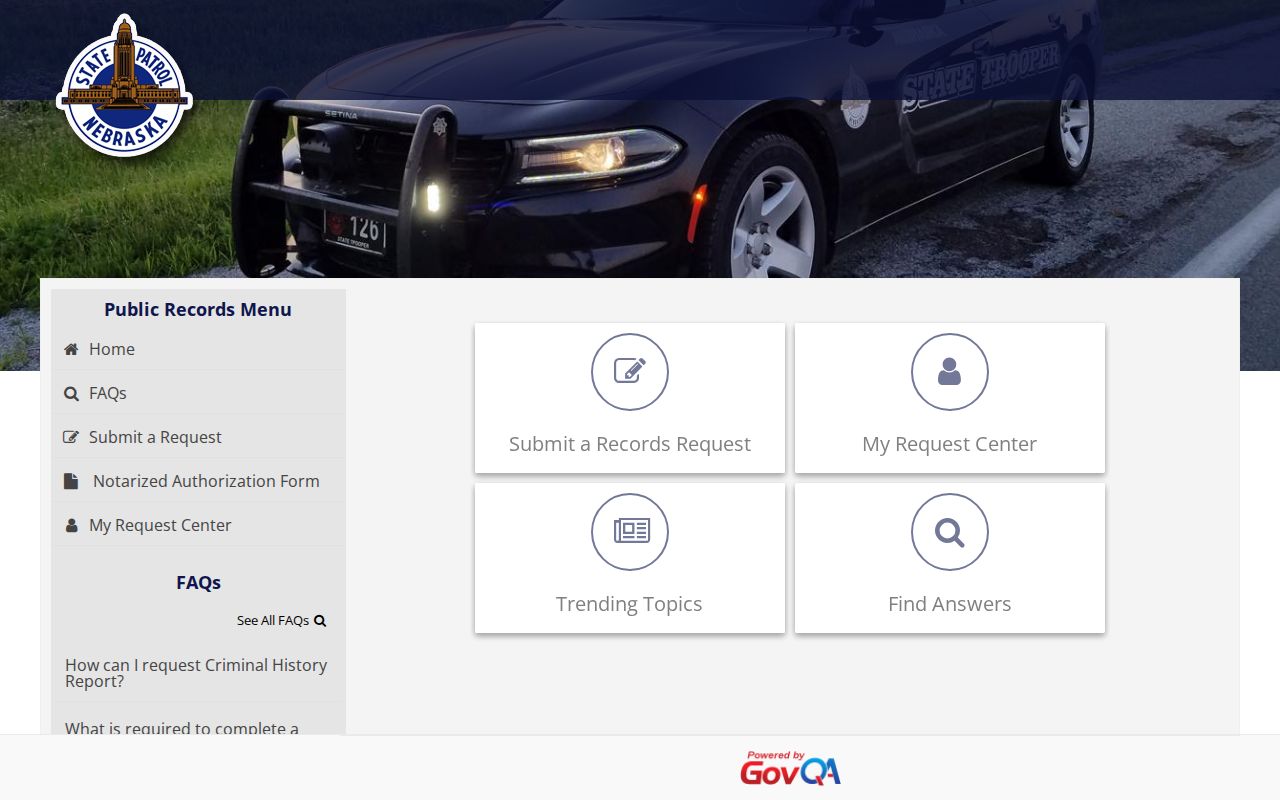
A Nebraska Public Records Act request works when you want an existing, releasable record from the office that holds it. It is not a live warrant query. It also cannot force the state to mint a fresh "no warrant" certificate. Court papers belong with the proper clerk; sheriff and police records sit with the agency that holds them. Sealed files, juvenile matters, and other legally protected information can be withheld. The Nebraska State Patrol runs its own GovQA public records portal for records in Patrol hands. Request fields there load dynamically, so no fixed form field list applies. The portal will not search county court warrants or confirm live process, though. Open the Nebraska State Patrol Public Records Center to reach that state agency.
For a Nebraska warrant question, call the issuing court and the serving sheriff first. Put it in writing when you need a copy or a specific record. Ask the custodian which parts can be released.